 0
0
 0
0
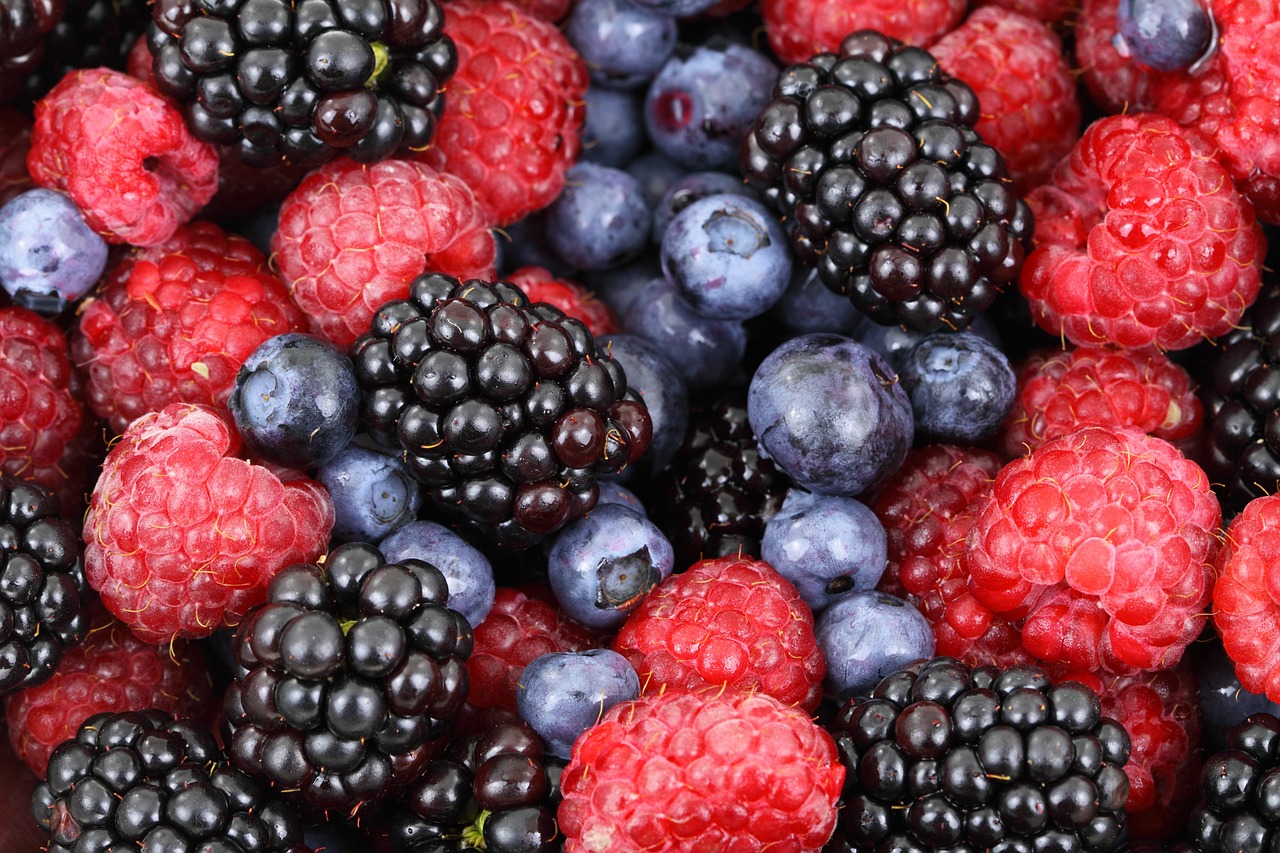
Are you an IBS warrior who loves fruit but dreads the post-meal bloat? You are not alone! The usual fruit suspects (apples, pears, and dried fruits) might trigger your symptoms, thanks to their sky-high levels of fructose. But instead of giving up on fruit altogether, read on to see why berries are often the top pick for IBS people like you and me.
Why berries are your belly’s new best friend
Lots of reasons why berries should be the top pick. The biggest one for IBS people is it helps fight inflammation. And inflammation, in a simple word that scares you and me, is bloating.
How do berries help fight bloating? Well, they are high in antioxidants (to be exact, anthocyanins, a group of deep red, purple and blue pigments found in plants). This kind of pigments has a super power: increasing anti-inflammatory cytokines.
Cytokines: the tiny peacemakers in your gut
What exactly are cytokines, and why do they matter for our gut?
Think of cytokines as tiny messengers that travel between your cells, delivering important instructions. Their main job is to help all the different parts of your immune system talk to each other. When your body needs to calm things down (like after bloating), special types called anti-inflammatory cytokines send out the signal for your cells to stop swelling and help everything return to normal.
In short, cytokines help keep the peace in your body, and anti-inflammatory ones are there to soothe and protect you from problems like bloating (digestive knowledge by Malaysian researchers led by Khoo).
Fruit timing: The smart way to eat berries
Before you dash to the grocery store to grab a pint of berries, it is good to know the optimal way to enjoy this irresistible, healthy fruit. Here is advice from Glickman that can help you make the most of every bite:
- Eat berries between main meals (not with other food).
Berry timing matters: Enjoy it between meals for a happier belly
According to Glickman, eating berries and other fruit away from main meals can help your digestive system in two important ways:
- When fruit is eaten with other foods, it may stay in your intestines longer.
- This prolonged stay can lead to the fruit fermenting, which might result in gas and bloating.
In other words, enjoy your berries as a mid-morning or afternoon snack, and you will likely feel lighter and more refreshed.
So, in a word, to fight inflammation and lesson your IBS conditions, goes with berries.
Meet your new gut-friendly berry: Hawthorn
However, before taking the advice of Glickman, another person asks you to hold on for a second.
She has something important to tell you. About what? It is that if you think all berries are healthy for IBS people, you have to think twice. It is that not all berries are equally healthy!
While there are different types of berries you can buy from a supermarket, from the prespective of Traditional Chinese Medicine (TCM) Dr Esther Tang suggests that a less easily availble type is good for digestion (and by extension for IBS). So what is it? Hawthorn berries.
(Yet, before we talk about why they are so healthy and where to buy them, we need to know who (on earth) Dr Tang is. Well, she is a TCM doctor, but not a usual one as she is a descendant of four generations of distinguished TCM physicians Gangren Ding. And who is Dr Gangren Ding? He had an important task to do, which was to serve as the physician to the last emperor of China.)
Why your new berry best friend is good for your gut
According to Dr Ting, hawthorn berries are no ordinary berries. They are a type of food that can help calm your digestive system. More specifically, they help your body manage and move out extra fluid inside you (in TCM the fluid is named Dampness). This can be especially helpful if you often feel bloated, have a heavy sensation in your body, or notice swelling (which is also called edema).
The hunt for hawthorn
While hawthorn berries are not as widely available as mainstream fruits like strawberries or blueberries, you can buy them accessible through specialty suppliers, herbal retailers, and online stores.
You typically will not find fresh hawthorn berries in standard grocery stores, but dried berries, teas, powders, and supplements are readily available for purchase online and in some health food shops.
Are strawberries secretly sabotaging your digestion?
While we should go for hawthorn berries, we should avoid their relatives: strawberries, a fruit with plenty of juicy moisture.
In the box of TCM, Dr Ting claims that cooling foods like strawberries help draw energy inward and can slow down digestion, especially if your digestive system already feels a bit sensitive or sluggish. So, if you tend to get chilly easily or notice your digestion is a little on the weaker side, you may want to avoid or enjoy strawberries in moderation. This gentle approach can help you savor their sweet, hydrating benefits while still supporting your overall wellness.
Sources of knowledge
Glickman, H. (2016). Beat IBS: A simple, five-step plan for restoring your digestive health. Little, Brown Book Group.
Tang (2009). Total Health the Chinese Way: An Essential Guide to Easing Pain, Reducing Stress, Treating Illness, and Restoring the Body through Traditional Chinese Medicine. Balance.
Khoo, H. E., Azlan, A., Tang, S. T., & Lim, S. M. (2017). Anthocyanidins and anthocyanins: Colored pigments as food, pharmaceutical ingredients, and the potential health benefits. Food & Nutrition Research, 61(1), 1361779. https://www.ncbi.nlm.nih.gov/pmc/articles/PMC5613902/